In recent years, we have witnessed a significant shift in the real estate landscape, driven by technological advancements and changing consumer preferences. One of the most notable trends is the rise of smart homes, an innovation that is not only transforming how we live but also how we buy and sell property. At Property Navigators, we are also seeing a growing demand from buyers who prefer homes equipped with smart technology and future-ready features.
What is a Smart Home?
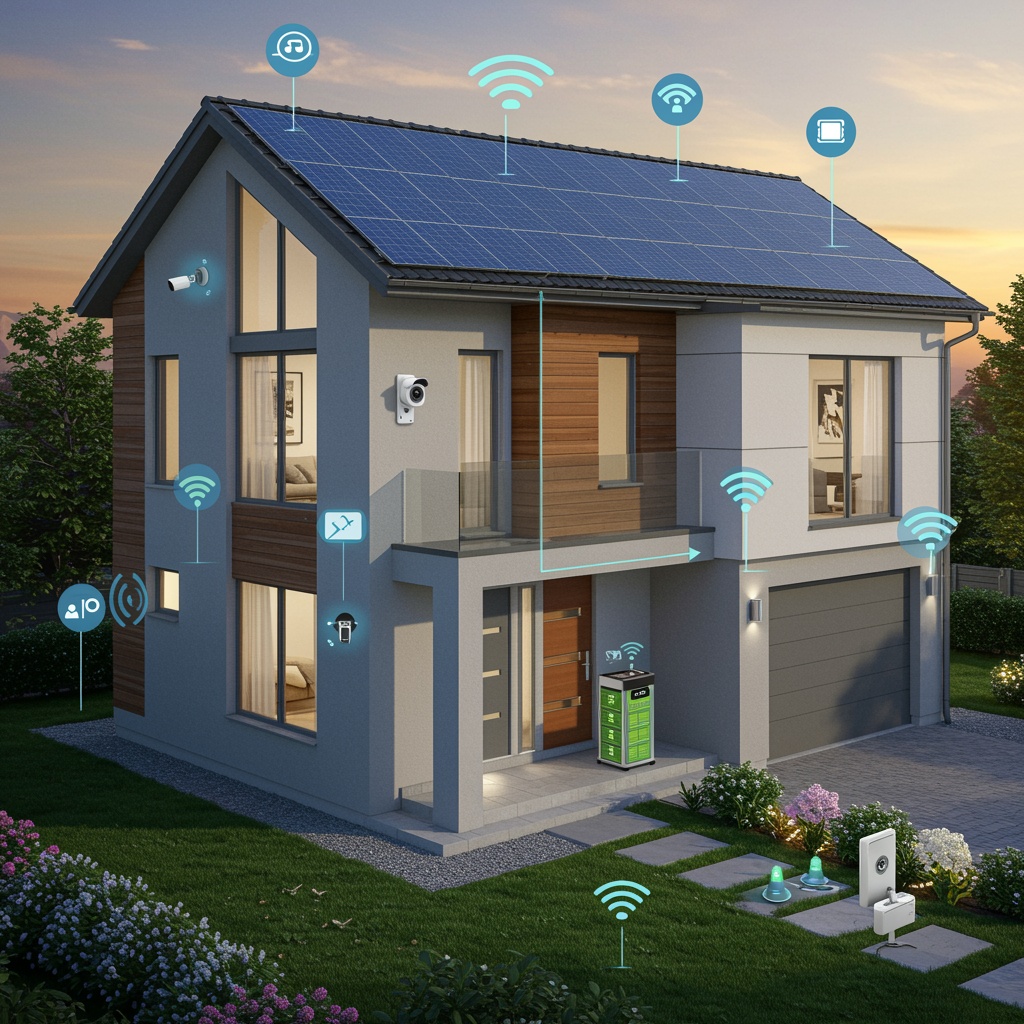
A smart home is equipped with devices that connect to the internet, allowing homeowners to control various aspects of their living space remotely. From smart thermostats that manage energy use to security systems you can monitor from your phone, these technologies enhance comfort, convenience, and safety. These features are becoming increasingly appealing to potential buyers, particularly in today’s fast-paced lifestyle where convenience is key.
What Makes a Property a Smart Home?

A property becomes a smart home when everyday systems are connected to the internet and can be controlled through a smartphone, automation, or voice commands. These features enhance convenience, security, and energy efficiency.
Some common smart home features include:
Smart Lighting
Lights can be controlled remotely, scheduled to turn on or off, and adjusted for brightness, helping improve convenience and save energy.
Smart Security Systems
Video doorbells, smart locks, and surveillance cameras allow homeowners to monitor and control home security directly from their phones.
Smart Climate Control
Smart thermostats automatically adjust temperature based on preferences and weather, maintaining comfort while reducing energy consumption.
Voice-Controlled Assistants
Devices like voice assistants allow residents to control lights, appliances, and other systems using simple voice commands.
Smart Appliances
Internet-connected appliances such as air conditioners, refrigerators, and washing machines can be monitored and controlled remotely.
Energy Monitoring
Smart energy systems track electricity usage in real time, helping homeowners reduce unnecessary consumption.
The Appeal to Homebuyers
An interesting shift has occurred in buyer preferences over the past few years. More consumers are looking for homes that can accommodate their tech-savvy lifestyles. According to recent surveys, a significant number of homebuyers now prioritize smart features, often willing to pay a premium for homes equipped with innovative technology.
For instance, features like automated lighting, smart locks, and energy-efficient appliances not only make daily living more convenient but can also lead to long-term savings. Smart homes often boast lower energy bills and increased home security—a compelling combination for many young families and professionals entering the housing market.
The Impact on Real Estate Agents
For real estate agents, the rise of smart homes presents both opportunities and challenges. On one hand, being knowledgeable about smart home technologies can give agents an edge in a competitive market. Highlighting these features during viewings and in listings can attract tech-savvy buyers who are willing to invest in a connected home.
On the other hand, as the market continues to evolve, agents must also stay informed about the latest technologies and their benefits. Equipping oneself with knowledge about smart home integration can be a key differentiator in providing value to clients.
Challenges and Considerations

While the benefits of smart homes are compelling, there are challenges that both buyers and sellers should consider. The rapid evolution of technology means that devices can become outdated quickly, raising questions about long-term usability and compatibility. Buyers may also consider the additional costs associated with maintaining these systems, from installation to ongoing subscription services for smart features.
Furthermore, privacy and security concerns loom large as more devices are connected to the internet. Potential homebuyers should educate themselves about the risks and take steps to secure their smart home ecosystems, ensuring that their personal data remains protected.
The Future of Smart Homes
As we look ahead, the demand for smart homes is expected to grow even further. Builders and developers are increasingly incorporating smart technologies into new constructions, recognizing that these features can significantly enhance property values.
The integration of smart home technology into real estate is not just a passing trend; it’s a glimpse into the future of how we will live. As the real estate market continues to adapt, it’s clear that being informed and proactive about smart technologies will benefit both buyers and sellers alike.
In conclusion, the rise of smart homes is reshaping the real estate landscape, adding layers of convenience, efficiency, and security to our daily lives. Whether you’re a prospective buyer, a seller looking to enhance your property’s appeal, or a real estate agent seeking a competitive edge, understanding the implications of smart home technology is essential in today’s market.