In today’s fast-paced world, the importance of efficient transportation cannot be overstated. Metro connectivity, in particular, plays a significant role in shaping property values in urban areas. Whether you’re a homebuyer, investor, or simply a city enthusiast, understanding this dynamic can help you make informed decisions.
The Rise of Metro Connectivity
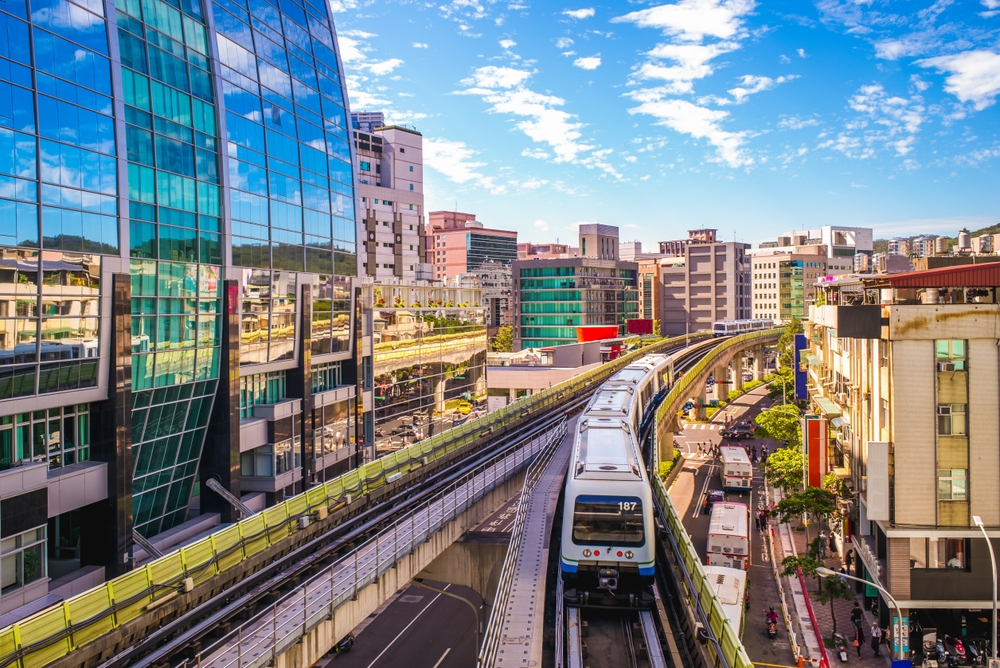
Urban populations are on the rise, and with that, the demand for seamless transportation systems has increased. Metro systems are designed to alleviate congestion, reduce travel time, and provide a reliable means of transport. But their influence extends beyond just commuting; they significantly affect real estate markets, shaping neighborhoods and property values in profound ways.
The Connection Between Metro Access and Property Values
- Accessibility Equals Demand: Properties located near metro stations are often in high demand. People are looking for convenience, and having easy access to public transit can make a home or apartment more attractive. As a result, homes situated near metro lines tend to command higher prices.
- Reduced Commute Times: With the ability to swipe a card and hop on a train, residents can save valuable time on their daily commutes. Reduced travel times lead to an increase in demand for properties near metro stations, which, in turn, raises property values. Buyers are more willing to pay a premium to avoid long hours stuck in traffic.
- Enhanced Neighborhood Amenities: Areas with metro connectivity often see an influx of businesses and amenities as infrastructure improves. Cafés, restaurants, shops, and parks pop up, enhancing the neighborhood’s appeal. As these amenities grow, so does the desirability of the area, leading to a surge in property values.
- Long-Term Investment Potential: For investors, purchasing property near a metro station usually represents a smart investment strategy. As cities expand and more people flock to urban areas, properties in well-connected locations tend to appreciate over time. The foresight of investing in metro-adjacent properties can yield substantial returns.
The Impact on Urban Development
Metro systems often serve as a catalyst for urban development projects. Cities become more interested in revitalizing neighborhoods around metro lines, leading to refurbishments and new construction. These developments can lead to modern residential options that cater to the evolving needs of the population.
As neighborhoods grow more vibrant, they attract demographics such as young professionals and families keen on the convenience of metro access, further driving property values upward.
In Conclusion
In the current real estate landscape, metro connectivity is a pivotal factor influencing property values. Whether you are contemplating buying a home or investing in real estate, understanding the relationship between metro access and property worth can empower your decision-making process.
As urban areas continue to evolve, it’s essential to stay informed about the infrastructure developments around you. Keep an eye on emerging metro lines and connectivity projects, as they may present attractive opportunities for both living and investing.
If you want to discuss this further or have any questions regarding properties in metro-connected areas, feel free to reach out to Property Navigators. Remember, making informed choices today ensures a promising tomorrow in your real estate journey!