
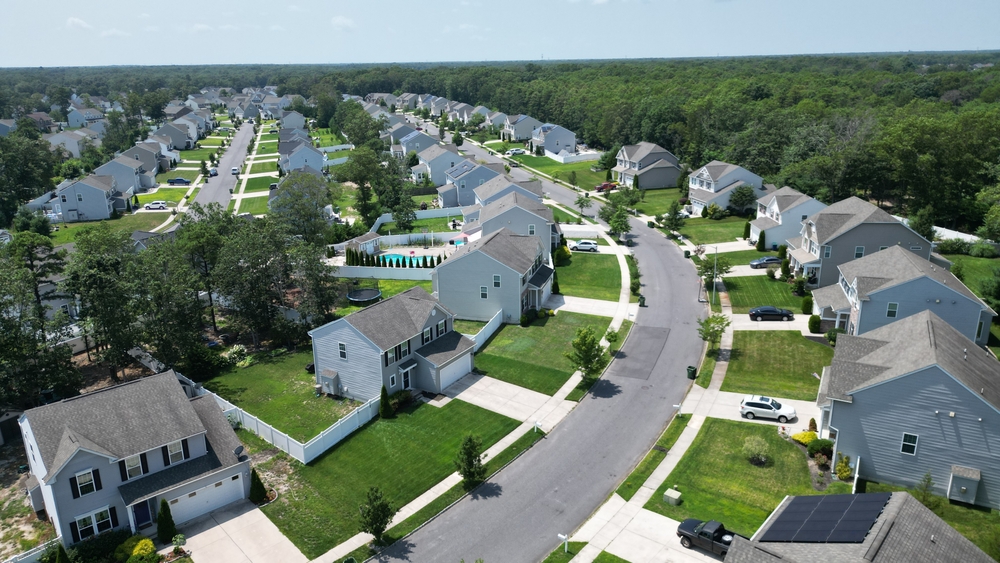
When it comes to choosing a place to live, the decision between a gated community and an independent home can feel overwhelming. Each option comes with its own set of advantages and challenges that cater to different lifestyles and preferences. In this blog post, we’ll explore the unique characteristics of gated communities and independent homes, helping you weigh the trade-offs and find the best fit for your lifestyle.
Gated Communities: A Sense of Security and Community
Gated communities have become increasingly popular, particularly among families and retirees. One of the primary draws of these neighborhoods is the enhanced security they offer. With restricted access points and often 24-hour security patrols, residents enjoy peace of mind that is hard to come by in many other living situations. This safety net can be especially appealing for those with young children or older adults who prioritize a secure environment.
Another enticing aspect of gated communities is the sense of community they cultivate. Many gated neighborhoods host social events, providing opportunities for neighbors to connect and build relationships. This camaraderie can lead to lasting friendships and a supportive social network, making it an ideal choice for those who thrive in communal settings.
However, living in a gated community can come with certain restrictions. Homeowner associations (HOAs) often enforce rules regarding property maintenance, landscaping, and even exterior paint colors. While these rules can help maintain the neighborhood’s aesthetic appeal, they can feel limiting to those who prefer more freedom to express their individuality in their homes.
Independent Homes: Freedom and Flexibility
Choosing an independent home offers a different set of advantages. One of the most significant benefits is the autonomy it provides. Homeowners enjoy the freedom to make decisions about their properties without the constraints of an HOA. They can paint their homes in any color they fancy, modify their landscapes as they please, and live by their own schedules without adhering to communal rules.
Independent homes also open the door to diverse living environments. From quaint bungalows to sprawling estates, the variety of independent homes allows buyers to choose a property that truly reflects their personal taste and lifestyle. Additionally, homeowners often have larger plots of land, granting more space for outdoor activities, gardening, or even expanding their homes.
However, living in an independent home can present challenges as well. Without the security measures typically found in gated communities, residents must take on the responsibility of managing their own safety. This may involve investing in security systems or simply being more vigilant about neighborhood crime. Furthermore, the lack of community engagement that may be present in a gated setting could lead to a more isolated lifestyle, particularly for those new to an area.
Making the Choice
Ultimately, the decision between a gated community and an independent home boils down to personal preferences and priorities. If security, community, and a regulated environment are at the top of your list, a gated community may be the right choice for you. Conversely, if you value freedom, individuality, and flexibility in your living space, an independent home could be the perfect fit.
At Property Navigators, we’ve seen that the right choice depends less on trends and more on how you actually live day to day. Security, freedom, community, and long-term comfort all play different roles for different buyers. Whichever path you choose, both gated communities and independent homes offer unique living experiences that can lead to a fulfilling life.
If you need further guidance or have questions about buying or selling a home, feel free to reach out. Together, we can find the perfect place that suits your lifestyle and preferences.