
India’s relationship with housing is changing.
For decades, owning a home was considered the ultimate financial milestone. Renting was often seen as a temporary arrangement, something people did only until they could afford to buy their own property. But that mindset is evolving rapidly.
With cities expanding, job opportunities becoming more mobile, and younger professionals prioritizing flexibility over permanence, rental housing is emerging as an essential part of urban living rather than just a stopgap solution.
The coming decade could reshape the rental market in ways India has never seen before.
A Growing Nation of Renters
Every year, millions of people move to cities in search of better careers, education, and business opportunities. Metropolitan cities such as Mumbai, Bengaluru, Pune, Hyderabad, Ahmedabad, and Gurgaon continue to attract professionals from every corner of the country.
For many of them, buying a property immediately is neither practical nor financially sensible.
Renting offers freedom. It allows people to live closer to workplaces, switch cities for career growth, and avoid the financial burden of long-term mortgages early in life.
This growing demand is creating a new generation of renters who expect more than just four walls and a roof. They are looking for convenience, transparency, safety, and a better overall living experience.
The Challenges of India’s Traditional Rental Market
Despite the growing demand, India’s rental ecosystem still carries several inefficiencies.
Many tenants continue to deal with excessive security deposits, vague rental agreements, unexpected restrictions, and inconsistent rental practices. On the other side, landlords often struggle with delayed payments, property maintenance issues, and finding reliable tenants.
Much of the market still operates through informal arrangements built on trust rather than clear systems.
While this may have worked in the past, it is becoming increasingly difficult to manage in modern urban environments where both landlords and tenants seek certainty, convenience, and a smoother rental experience.
The Rise of Professionally Managed Rentals

One of the biggest changes already underway is the emergence of professionally managed rental housing.
Real estate companies, co-living operators, and property management firms are stepping into a space that was traditionally dominated by individual landlords. These companies handle everything from tenant verification and rent collection to maintenance and customer service.
For tenants, this often means better living standards, faster issue resolution, transparent contracts, and professionally maintained properties.
For property owners, it means lower vacancy rates, reduced operational headaches, and more predictable rental income.
As this segment grows, renting may gradually shift from being viewed as a compromise to becoming a preferred lifestyle choice for many urban residents.
Technology is Redefining Renting
The way people search for homes has changed dramatically over the last few years.
Gone are the days when tenants spent weekends visiting dozens of properties with local brokers. Today, most renters begin their journey online.
Property platforms allow users to compare listings, explore neighbourhoods, check amenities, and even schedule visits within minutes.
The next phase of innovation is likely to make the process even smoother.
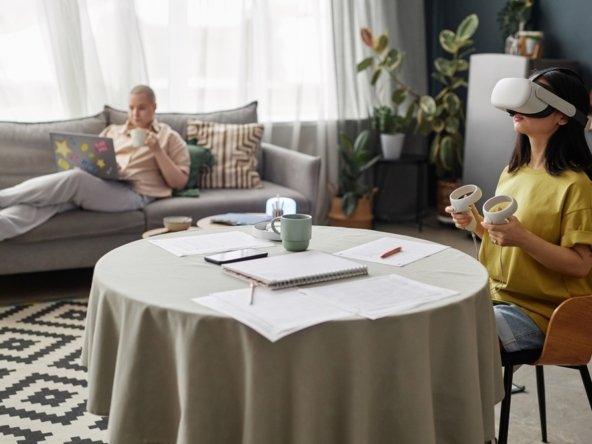
Virtual property tours are helping tenants shortlist homes without physically visiting them. Digital documentation is reducing paperwork, online rent payments are becoming standard practice, and smart technology is making property management easier for everyone involved.
Technology is not just improving convenience; it is helping build trust between landlords and tenants.
What the Future Could Look Like
The future of rental housing in India will likely be shaped by three major forces: urbanization, technology, and changing lifestyles.
We may see the rise of large-scale build-to-rent communities, professionally managed apartments, flexible leasing models, and smart homes designed specifically for renters.
Young professionals may choose to rent for longer periods without feeling pressured to buy immediately. Senior citizens could increasingly prefer managed rental communities with support services. Students and remote workers may drive demand for flexible and furnished accommodation options.
The market is becoming more diverse, and housing solutions will need to evolve alongside changing lifestyles.
Final Thoughts
India’s rental housing story is only just beginning.
What was once viewed as a temporary arrangement is slowly becoming an integral part of the country’s urban future. The opportunity ahead is enormous, and the sector is already moving towards greater transparency, efficiency, and convenience.
As cities continue to grow and lifestyles continue to evolve, rental housing will become an increasingly important part of how people choose to live, work, and move across the country.
At Property Navigators, we believe the future of housing will not be defined solely by ownership but by accessibility, flexibility, and quality living experiences.
And perhaps most importantly, it could give millions of people something they truly seek in a fast-moving world: not just a place to stay, but a place that genuinely feels like home.