
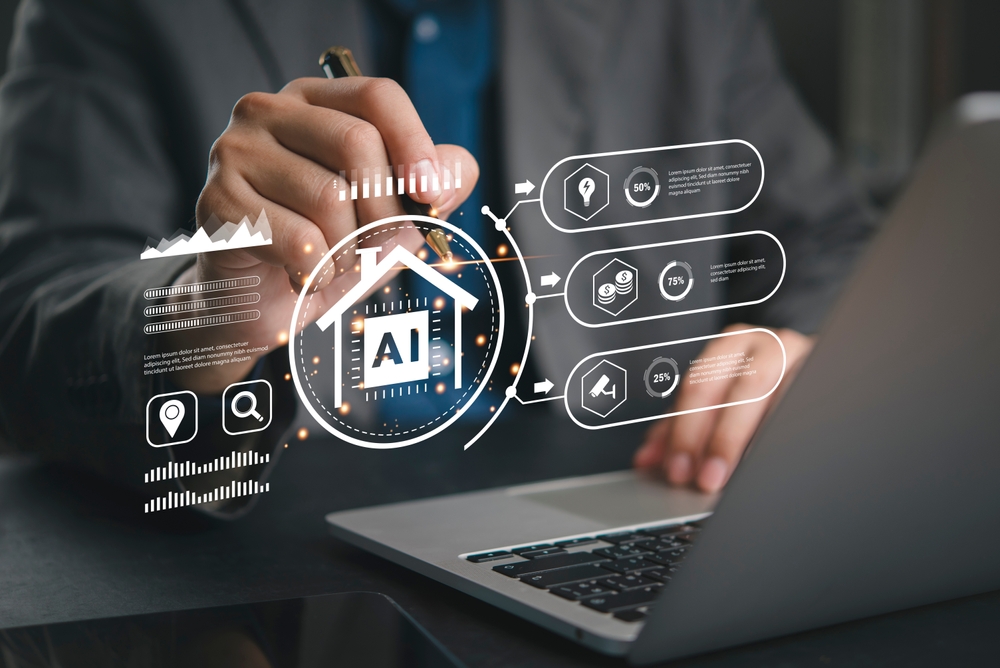
The real estate industry has always evolved with changing market trends, but the pace of change today is unlike anything we’ve seen before. Artificial intelligence (AI), automation, virtual experiences, and smart technologies are changing the way properties are bought, sold, managed, and even marketed.
Whether you’re a homebuyer, investor, developer, or real estate consultant, technology is no longer just an added advantage. It has become an essential part of making faster, smarter, and more informed decisions. At Property Navigators, we believe that combining market expertise with modern technology helps clients make confident real estate decisions.
AI Is Making Property Decisions Smarter
Buying or investing in real estate has traditionally depended on market knowledge, personal experience, and extensive research. While those factors still matter, AI has introduced a new level of accuracy by analyzing massive amounts of data within seconds.
Modern AI tools can study property prices, neighborhood growth, infrastructure developments, rental demand, historical sales, and market trends to generate valuable insights. Instead of relying solely on assumptions, buyers and investors can now make decisions backed by real data.
For sellers, AI-powered pricing tools help determine competitive property values based on current market conditions, reducing the chances of overpricing or undervaluing a property.
The result is better decision-making for everyone involved.
Property Management Is Becoming More Efficient
Managing residential or commercial properties involves much more than collecting rent. Maintenance, security, utilities, tenant communication, and operational costs all require constant attention.
Technology is making these tasks significantly easier.
AI-powered property management platforms can monitor building performance, identify maintenance issues before they become expensive repairs, and automate service requests. Instead of waiting for something to break, property owners can address problems proactively.
At the same time, smart devices connected through the Internet of Things (IoT) allow property managers to monitor lighting, energy consumption, security systems, and access controls in real time.
This not only reduces operating costs but also creates a better experience for tenants, leading to higher satisfaction and improved retention.
Virtual Property Tours Are Changing the Buying Experience

A few years ago, buying property meant visiting multiple locations before shortlisting a single option. Today, that process has become far more convenient.
Virtual tours, 360-degree walkthroughs, drone videos, and augmented reality allow buyers to experience a property from anywhere in the world.
Someone living in another city or even another country can explore every room, understand the layout, and visualize the space without physically visiting the property.
For developers and real estate companies, this means reaching a much larger audience while saving valuable time for both buyers and sales teams.
Physical visits still play an important role, but technology helps buyers narrow down their options much faster.
Digital Transactions Are Simplifying Real Estate
Real estate transactions have long been associated with endless paperwork, manual verification, and multiple office visits.
Thankfully, that is changing.
Digital documentation, e-signatures, online verification, and secure digital payment systems have made property transactions much faster and more convenient.
Another technology gaining attention is blockchain.
Although its adoption is still growing, blockchain has the potential to make property ownership records more transparent, reduce fraud, simplify title verification, and improve trust throughout the transaction process.
As legal frameworks continue to evolve, blockchain could become a major part of future real estate transactions.
Better Customer Service Through AI

One of the biggest expectations buyers have today is quick responses.
Whether someone is browsing listings late at night or looking for investment advice during the weekend, they expect immediate answers.
AI-powered chatbots and virtual assistants help real estate businesses provide instant support by answering common questions, scheduling site visits, sharing property details, and qualifying leads.
This improves the customer experience while allowing sales teams to focus on meaningful conversations with serious buyers.
AI is not replacing real estate professionals. Instead, it is handling repetitive tasks so agents can spend more time building relationships and closing deals.
Technology Is Also Transforming Real Estate Marketing
Marketing a property today is far more advanced than simply posting newspaper advertisements or uploading a few photographs online.
AI helps businesses understand buyer behavior, identify the right audience, personalize advertisements, and optimize marketing campaigns across digital platforms.
Instead of showing every property to everyone, technology ensures that the right property reaches the right buyer at the right time.
Combined with high-quality visuals, video content, drone photography, and social media campaigns, AI is helping real estate companies generate better-quality leads while reducing marketing costs.
The Future of Real Estate Is Digital
Technology will continue to reshape the real estate industry in the years ahead.
Artificial intelligence, predictive analytics, automation, smart buildings, virtual reality, and blockchain are no longer concepts for the future. They are already influencing how the industry operates today.
Businesses that embrace these innovations will be better equipped to serve customers, improve operational efficiency, and stay ahead of the competition.
At the same time, buyers and investors will benefit from greater transparency, faster processes, and more informed decision-making.
Final Thoughts
Real estate has always been about people, relationships, and trust. Technology isn’t replacing those fundamentals. Instead, it’s making the entire experience more efficient, transparent, and convenient for everyone involved.
As AI continues to evolve, the companies that combine human expertise with smart technology will be the ones that stand out in an increasingly competitive market.