

Anyone who’s spent time around property knows this: the market rarely announces its next big hotspot. It shifts quietly. But if you pay attention, the signals are there. Spotting them early is what separates a smart move from a missed opportunity.
Whether you’re investing or looking for a place to call home, here’s how to read those early signs.
1. Prices Start Creeping Up (Before Everyone Notices)
You won’t always see a sudden spike. It usually starts with subtle, steady increases.
Homes begin selling a little faster. Then slightly above asking. Then consistently higher than last quarter. If you’re tracking listings in a specific area and notice this pattern forming, that’s your first hint that demand is building under the surface.
2. Investors Quietly Move In
Serious investors don’t wait for headlines. They move early.
If you start seeing older properties getting picked up, renovated, or replaced with new developments, that’s not random. It’s calculated. Builders and investors typically have access to deeper insights, so their presence often signals that something is about to change.
3. Infrastructure Starts Improving
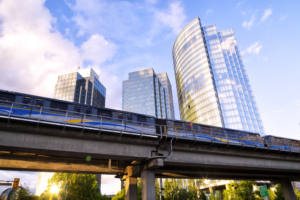
This is one of the strongest indicators, and it’s often overlooked.
New roads, better connectivity, upcoming metro lines, schools, parks, even small upgrades like improved street lighting—these aren’t just civic improvements. They change how livable an area feels.
And once accessibility improves, demand follows. Almost every time.
4. The Crowd Begins to Change
Watch who’s moving in.
If a locality starts attracting young professionals, working families, or upwardly mobile buyers, it usually means the perception of the area is shifting. With them come cafés, co-working spaces, better retail, and lifestyle upgrades.
It’s a ripple effect—and real estate values ride that wave.
5. Homes Don’t Stay on the Market for Long
Supply and demand tells you everything.
If listings start disappearing quickly, fewer properties remain available, and multiple buyers are competing for the same home—that’s a clear signal. When demand starts outpacing supply, prices typically follow.
This is often the phase just before a market turns “hot” in the public eye.
6. Government Attention Picks Up
Keep an eye on local announcements.
Zoning changes, redevelopment plans, smart city initiatives, or even small-scale community upgrades—these are early-stage catalysts. Government focus tends to unlock long-term value, especially when combined with private investment.
Final Thought
There’s no perfect formula to predict the next real estate hotspot. But here’s the thing—patterns repeat.
If you start noticing a combination of these signs in one area, it’s worth taking a closer look. Acting early doesn’t mean rushing blindly. It means recognizing momentum before it becomes obvious to everyone else.
And if you’re navigating these decisions and want a sharper perspective, having the right guidance can make all the difference. That’s where Property Navigators comes in—helping you spot opportunities before they become crowded.