
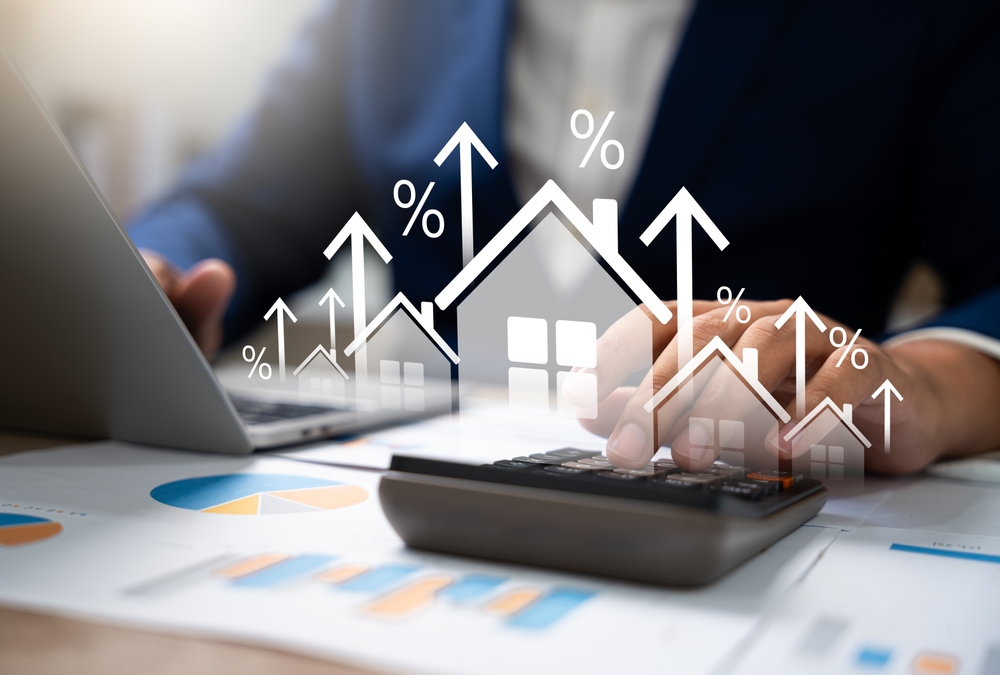
Buying a property isn’t just about having a place to call your own. For most people, it’s also about making a smart investment—something that grows in value over time. But property appreciation doesn’t happen randomly. There are clear factors behind why some properties gain value faster than others.
If you understand these factors well, you can make better buying decisions and even increase the value of what you already own. At Property Navigators, we’ve seen how the right property choice can significantly impact long-term returns.
Why Location Still Matters the Most
You’ve probably heard this countless times, but it holds true for a reason. Where your property is located plays a massive role in how its value evolves.
Homes in well-connected areas—close to schools, offices, transport hubs, shopping zones, and recreational spaces—tend to attract more buyers. More demand naturally pushes prices upward.
There’s another angle to this too. Areas that are currently developing or undergoing infrastructure upgrades often see a sharp rise in property prices over time. Getting in early in such locations can make a big difference.
Interest Rates and Buyer Behavior
Interest rates quietly shape the real estate market more than most people realize.
When home loan rates are low, borrowing becomes cheaper. This encourages more buyers to enter the market, increasing demand and pushing property prices higher.
But when interest rates climb, monthly EMIs increase. Buyers become cautious, demand softens, and property appreciation tends to slow down.
The Role of the Economy
Real estate doesn’t exist in isolation. It moves along with the broader economy.
When businesses are doing well, jobs are stable, and incomes are rising, more people are willing—and able—to buy homes. This increased demand leads to higher property prices.
On the flip side, during economic slowdowns, people tend to delay big investments like property. That can slow down appreciation or even cause prices to dip temporarily.
Supply vs Demand: The Core Driver

At its core, real estate is a game of supply and demand.
If there are more buyers than available properties, sellers gain the upper hand. Prices rise quickly, and appreciation is strong.
But when there are too many properties and not enough buyers, the market shifts. Prices either stabilize or grow at a much slower pace.
That’s why it’s important to understand what’s happening in your specific local market, not just the overall trend.
How Property Condition Impacts Value
A well-maintained property almost always performs better in terms of appreciation.
Upgrades like a modern kitchen, better flooring, improved lighting, or even small touches like landscaping can significantly boost perceived value.
Even practical improvements—like energy-efficient fittings or better storage—can make a property more appealing and increase its resale potential.
Neglect, on the other hand, can hold back appreciation, even in a good location.
External Influences You Shouldn’t Ignore
Sometimes, factors beyond your control can impact property value.
Government policies, new infrastructure projects, zoning changes, and tax benefits can all influence how desirable a location becomes.
For example, a new highway, metro line, or business hub can suddenly make an area far more attractive, leading to rapid price growth.
Final Thoughts
Property appreciation isn’t based on luck. It’s shaped by a mix of location, economic conditions, market demand, financial factors, and how well the property is maintained.
If you keep these elements in mind, you’re not just buying a property—you’re making a calculated investment.
Whether you’re planning to buy your first home or looking to grow your portfolio, understanding what drives value can put you in a much stronger position.