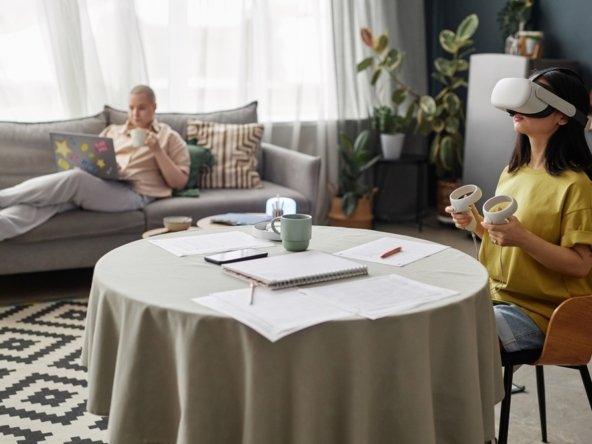

In recent years, the landscape of urban living and working has undergone a significant transformation, particularly in Tier-1 cities. The exponential growth of co-living and co-working spaces reflects a shifting paradigm that caters to the evolving needs of modern professionals and city dwellers. As more people prioritize flexibility, community and affordability, these innovative living and working arrangements have risen to prominence.
Understanding Co-Living and Co-Working
Co-living spaces offer shared living arrangements where individuals can live together, sharing amenities and fostering a sense of community. These spaces cater to diverse demographics, including young professionals, digital nomads and even families seeking a vibrant lifestyle without the burdens of traditional housing. The appeal lies in their ability to provide affordable housing options in increasingly expensive markets, creating opportunities for collaboration and forming connections among residents.
Conversely, co-working spaces serve as shared office environments designed to meet the needs of freelancers, startups and established companies alike. These spaces provide flexible work options, often equipped with high-speed internet, meeting rooms and communal areas that encourage networking and collaboration. With the rise of remote work and the gig economy, co-working spaces have become essential for productivity and innovation.
The Factors Driving Popularity
Several factors contribute to the growing appeal of co-living and co-working spaces in Tier-1 cities:

- Affordability: As property prices continue to rise, many individuals and startups are opting for co-living and co-working solutions that offer competitive pricing. These options often come fully furnished and equipped, removing the burdens of long-term leases and upfront costs.
- Flexibility: Many co-living and co-working spaces provide flexible terms, allowing tenants to choose month-to-month arrangements rather than committing to lengthy contracts. This flexibility appeals to individuals who value mobility and adaptability in today’s ever-changing job market.
- Community: The emphasis on collaboration extends beyond just work and living. Co-living and co-working spaces foster a sense of community through organized events, workshops and social gatherings. This communal atmosphere combats the isolation often felt in traditional living and working environments, allowing residents and coworkers to build meaningful relationships.
- Modern Amenities: These spaces are often designed with the modern user in mind, featuring amenities such as high-speed internet, fitness centers and shared recreational areas. The thoughtful design and convenience cater to the desires of urban dwellers seeking a balanced lifestyle.
The Future Outlook
As cities continue to evolve and adapt to new lifestyles, the future of co-living and co-working looks promising. Urban development strategies that incorporate these spaces are set to reshape communities, making them more inclusive and responsive to the needs of residents and businesses alike.
While co-living and co-working have already made significant inroads, the potential for expansion is vast. Investors and developers are taking notice, recognizing the value these spaces bring to cities. As a result, we can expect to see more innovative, sustainable and community-focused projects emerging in the coming years.
Conclusion
The rise of co-living and co-working spaces in Tier-1 cities signifies a broader trend towards collaboration, community and convenience in urban environments. As these spaces continue to gain traction, they will undoubtedly redefine how we live and work, providing valuable opportunities for connection and growth in an increasingly interconnected world.
At Property Navigators, we’ve observed a steady rise in demand for flexible, community-driven spaces across major cities. While traditional property investment remains strong, the surge of co-living and co-working models signals how urban real estate is adapting to new-age lifestyles.